The next step in the trade war against the United States

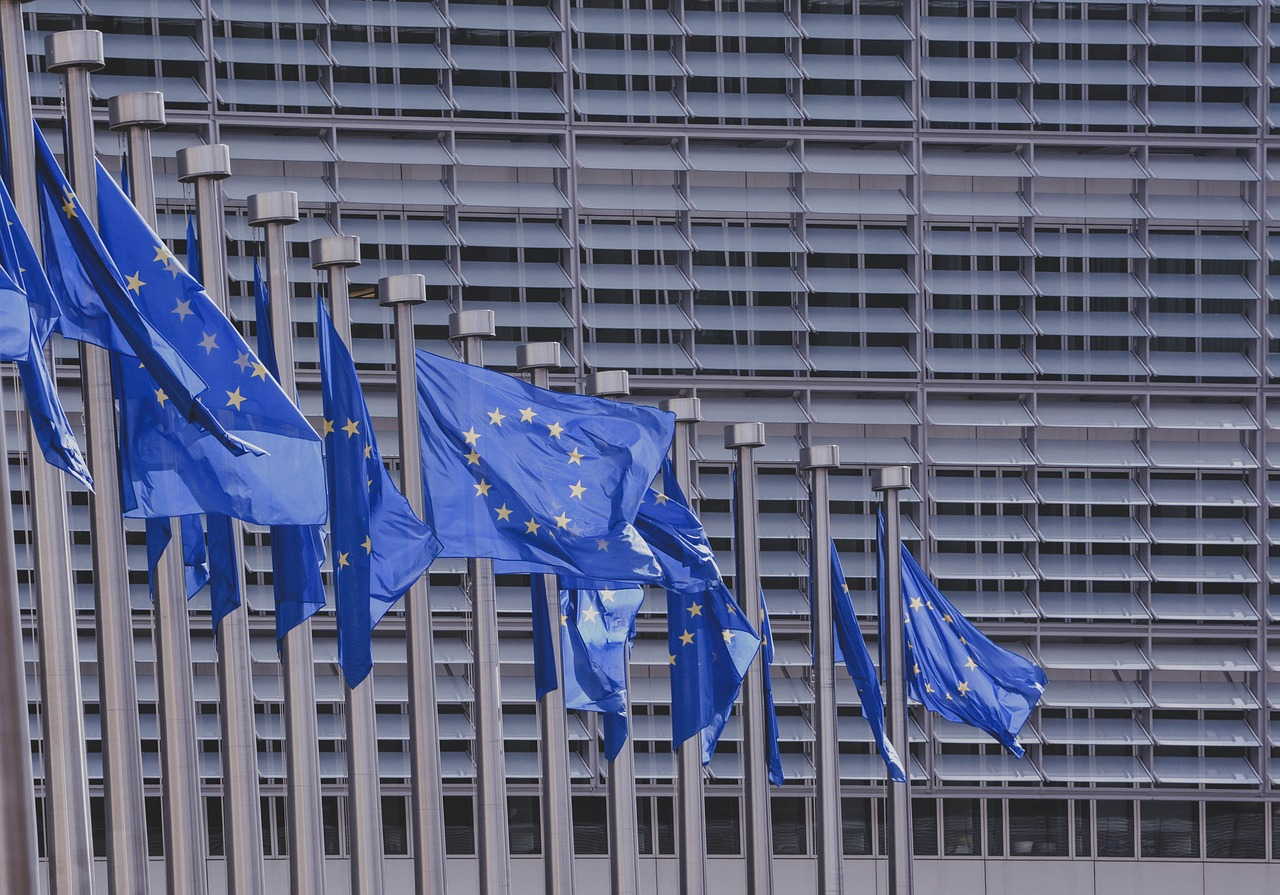
After the European Union has failed to implement TIPP and the European Parliament has barely accepted the controversial CEFTA against a backdrop of numerous protests, Brussels is letting in another Trojan Horse through the back door and is doing it secretly.

Since the TTIP has failed, the EU just had to think up a new monstrosity: JEFTA, an agreement on free trade with Japan that is about to be finalized and that hardly anybody has heard about despite the four-year negotiations. On July 6 the EU Commission and Japan decided to complete the JEFTA agreement. It is outrageous that the EU citizens have scarcely been informed about it. The same was true of TTIP and CEFTA: people only learnt about it when huge protests were staged. So also now the most important documents concerning JEFTA have only been made known to us through a leak affair.

As for now the trade between Japan and the EU is burdened with customs duties that amount to one billion euros annually. Thanks to the prospective abolition of customs duties the Toyotas and Hondas should become cheaper in Europe whereas the Japanese might be able to eventually afford French cheese and champagne. Sounds good, or does it? We describe below in short how dangerous the agreement is:
Continue reading

Methane clathrates: another revolution in the gas-industry in the making?

Flammable ice, as sometimes methane clathrates (or hydrates) are called, lately has become an important issue for global powers. Attaining technology making it possible to extract resource from deposits, which haven’t been up to now taken into consideration may change the face of world economy and influence the prices of LNG.

To many, methane clathrates sound unfamiliar so lets explain briefly what we’re talking about and why they haven’t been extracted yet. The hydrates emerge when molecules are surrounded by water, which becomes a sort of a cage for them. Such substance looks like ice and is present underneath the earth or underwater (yet, only there, where the appropriate tension and temperature exist). What’s important, when the conditions change, such clathrates become highly unstable and may cause huge explosions and, as a result, landslips and submarine landslides. That’s why any intrusion and extraction-attempts are extremely dangerous and complicated. However, mining tests have already been conducted for a few years. Though the estimates aren’t much reliable, it’s believed that methane hydrates contain more of gas than any other known fossil fuels put together. According to the US Energy Information Administration there may be even 2.800 trillion m3 of gas in hydrates, whereas the current global production equals up to 3.5 billion m3. So it’s possible that the extraction of clathrates would meet humanity’s demand for methane for another few hundred years.
Continue reading

How the elites are divorcing from reality: The Economist “what if”.

The Western globalist elites have not digested Trump’s victory or Brexit yet. They are having a hard time dealing with their ideological failures, and when the reality dares not to comply with their day dreaming, they go online and create a parallel world, where their “expert” predictions always turn right and their failures cannot be questioned. The Economist‘s portal named “what if”, a neo-liberal, wishful thinking echo chamber, is the point in case.

Its latest pieceattributes magical powers to the new hero of the elites, Emmanuel Macron, who soundly defeated “evil” Marine Le Pen in May. For The Economist, Macron is nothing short of Jesus as he was correspondingly depicted on the monthly’s cover walking on water:
Continue reading