Right-wing Parties are on the rise across Europe

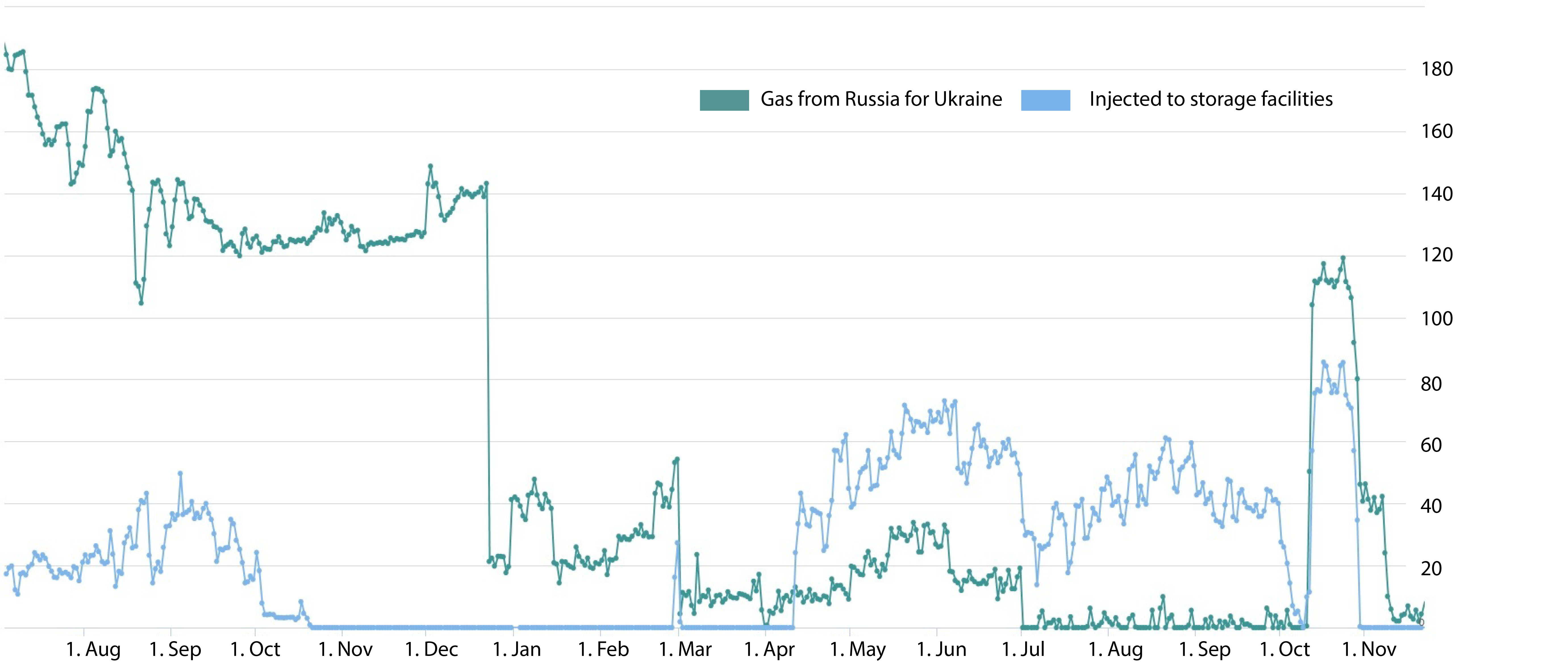
Right-wing parties have always been part of the European political scene with the French National Front and the British National Party as well as United Kingdom Independent Party being most talked about. At the polls they may have had quite a large popular support, yet the election systems used in some European countries effectively blocked them from entering national parliaments although they gained a significant share of the vote (see graph for UKIP)1. In some isolated cases when a nationalistically-oriented or a right-wing party won a significant number of parliament seats, it would be shunned by all the remaining parties, and thus rendered politically ineffective, as was the case with the Sweden Democrats2.
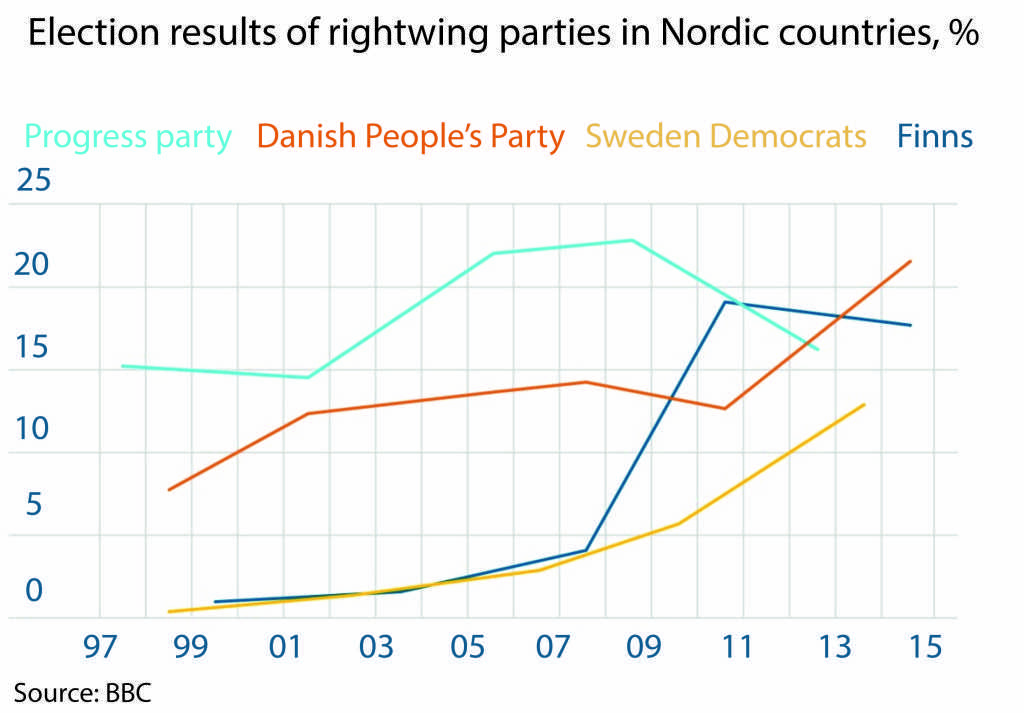
wykres

Enter the refugees. The swelling numbers of migrants and especially the flood that has taken place over a couple of recent years has made Europeans reconsider their attitude to the phenomenon, and so they started supporting the parties, whose political platform called for stopping the migrant waves. Continue reading
Turkey will pay the price for having a lack of patience

photo Eugene Sergeev

photo Eugene Sergeev

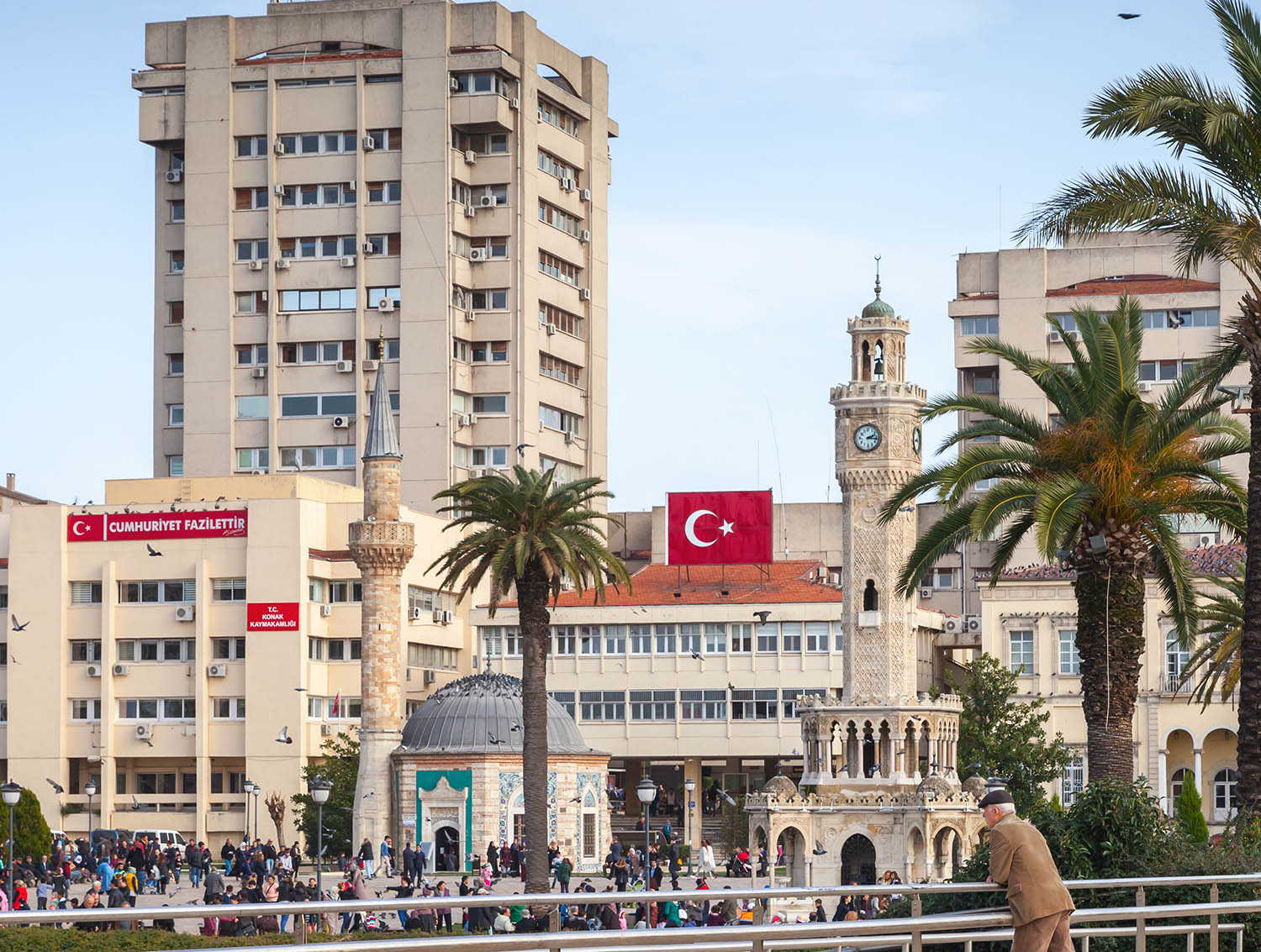
It was a political decision to down the Su-24, and it reflected more the growing impatience on the part of the Turks at the Russian military actions in Syria rather than an exasperation at the violation of Turkish airspace. The decision also showed Turkish shortsightedness and political immaturity. It was a blow to Russia, one that may lphoto Eugene Sergeevead to far-reaching international consequences. The long-term consequence for Turkey may be the loss of some of her territory to Kurds.

The course of events and their background

If each single violation of a country’s airspace were to lead to the outbreak of hostilities, we would long have had world war three that would have erupted in the region of the Baltic states where such incidents caused by Russian and NATO pilots are far from being rare. The long accepted practice is that in such cases the pilots of both sides try to make eye contact in order to identify the intruder beyond any doubt. Then the alien craft is escorted out of the country’s airspace. Continue reading

Collapsing global trade a harbinger of the next crisis.

photo Oscity

photo Oscity

A falling industrial demand, falling commodity prices, falling trade, falling sales. This is what we see now in China, Europe and even in the USA. What comes next? Falling employment, falling customers’ demand, falling economy. Global trade gives us clear signals that we cannot ignore.

A crisis is coming and these are the signs:

  1. China: October imports fell 18.8 percent in comparison to the previous year1. It is the beginning of the domino effect, with its coal and iron background.
  2. Taiwan: October orders from China fell 10.6 percent in comparison to the previous year, from Japan 24 percent down. Taiwan’s export orders are seen as an indicator of a demand for high-tech gadgets and for Asia’s exports2.
  3. Japan: first decline in exports in October since August 2014 (2.1 percent in comparison to the previous year). Reasons: China’s slowdown, poor Asia’s demand, the yen not weak enough. Double-digit declines in auto parts and electronic components3.
  4. Germany: a monthly drop in exports in August, due to declines in industrial production and the number of factory orders4.
  5. UK: 40% of respondent-companies are below average in export orders. Reasons: China’s downturn and a strong sterling5.
  6. Baltic Exchange’s main sea freight index fell below 500 for the first time. Baltic’s BDI Index (gauging the cost of shipping) reflects a slower coal and iron ore demand in China. 19-commodity Thomson Reuters/Core Commodity CRB Index reached 13-year lows6.
  7. USA: quiet three busiest U.S. seaports during ‘peak shipping season’. Imports in Los Angeles, Long Beach and New York fell in both September and October for the first time in a decade7. Continue reading

Geopolitics escalates in Europe.

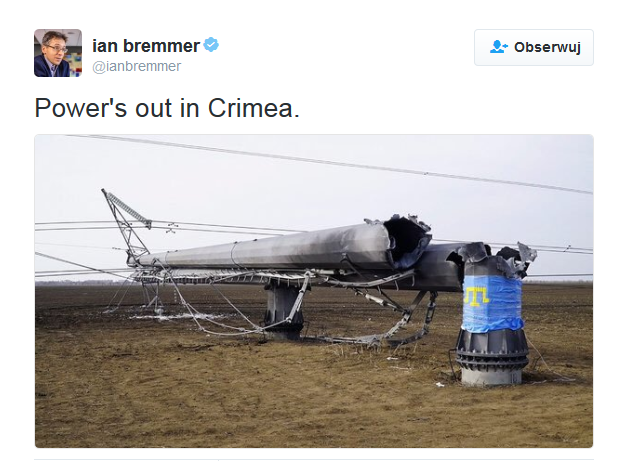
The political situation in Europe is escalating rapidly. Saturday and Sunday Brussels was placed on lockdown. In Crimea there was a total electricity blackout after the pylons providing electricity for the region had been blown up in Ukraine. Border controls all over Europe are being reinstated as the Schengen agreements are suspended.
As Europe is in turmoil and European politicians are paralyzed by terror, it is a matter of time before Moscow secures its access to Crimea.

Power’s out in Crimea.

Brzezinski, US top strategist, explained in 1997 that Ukraine is Russia’s bridge to Europe. Taking this bridge out will isolate Russia from Europe. Brzezinski also noticed that Muslims make up 20 to 30% of the Russian population. Arming the Mujaheddin and supporting the aspiration of Muslims could destabilize whole nations. The grand-master of the US hegemony never anticipated the current chaos in Europe. Continue reading

Negative interest rates: beware of banks

Interest rates are not a simple thing, let alone negative interest rates! We are accustomed to positive rates – it is obvious that we have to pay interest on credit and that we are paid for a deposit. But times are changing. Now money supply is larger than demand, people save more than borrow, inflation is close to zero or below, so we are going to be forced to change our thinking. Or maybe not? Continue reading

European politicians paralyzed by terror

It was four days after the Paris attacks that a friendly soccer match between Germany and Holland was to be played. Chancellor Angela Merkel and some members of her government had announced their presence. It was to be a show of strength and a message to the masterminds of the (future) attacks: we have not been browbeaten, we continue to live the way we have up to now. An hour and a half before the game started, it was canceled and the venue with a large neighboring area evacuated. It is alleged the police was tipped off on a planned terrorist attack; it was alleged an unattended object had been found on the stadium premises.

Germany’s Interior Minister Thomas de Maiziere held a press conference1. He had a hard time explaining the situation. Everything was done for the sake of security, how otherwise. Yet there remain questions that weren’t asked and weren’t answered. Is it true that the German state cannot seal off a sports venue? How come is the whole state paralyzed by a misleading tip? Why did the government so self-assuredly call on the citizens to turn up at the match in defiance of the terrorists without regard for such an outcome? Is not Germany kept at bay by a handful of underground fighters who do not even need to resort to the use of arms? Continue reading