
Energy is a commodity traded on the markets. This happens every day, at every moment. If the price of electricity falls, the electricity producer stops feeding his electricity into the grid. However, producers usually have no choice, as wind turbines keep turning and solar panels operate automatically. Energy storage systems are expensive and currently have barely enough capacity to store surplus electricity for hours or days when demand is high.
The more photovoltaic cells feed into the grid, the more frequently this problem arises: too much energy is generated precisely when everyone is producing the most. On sunny days, particularly at midday, there is more electricity than the system can consume. The more the sun shines, the more electricity flows into the grid at the same time – and the more frequently the price drops to zero or below. In extreme cases, the energy producer has to pay extra just to get someone to take the electricity off their hands. The following chart shows how the percentage of hours with negative electricity prices is rising in Europe and individual regions – and in which countries the biggest increases were recorded in 2025.
A negative electricity price is not a gift to the recipient. It is a signal that the system has been ‘overwhelmed’ by the surplus. Photovoltaic operators therefore sell electricity at a lower price relative to the average market value, which is not reflected in the final price paid by the end consumer. Why? Because there are too few energy storage operators willing to buy the electricity for free or at a premium and sell it at peak prices in the evening. Whilst the number of electricity storage facilities is rising steadily, the electricity grid is not being expanded to keep pace with the rapid growth of solar, wind and storage. As a result, on sunny days, photovoltaic plants and wind farms are being shut down more frequently because it is not possible to absorb the electricity. According to reports, 8.5% of onshore wind production was curtailed in the United Kingdom in 2024. In Germany, wind curtailment (onshore and offshore) has been above 5% since 2022, and solar curtailment rose to 2% in 2024. In China, this rose to 4.1% for wind and 3.2% for solar energy in 2024; preliminary figures for 2025 suggest over 5% for both, according to the IEA.
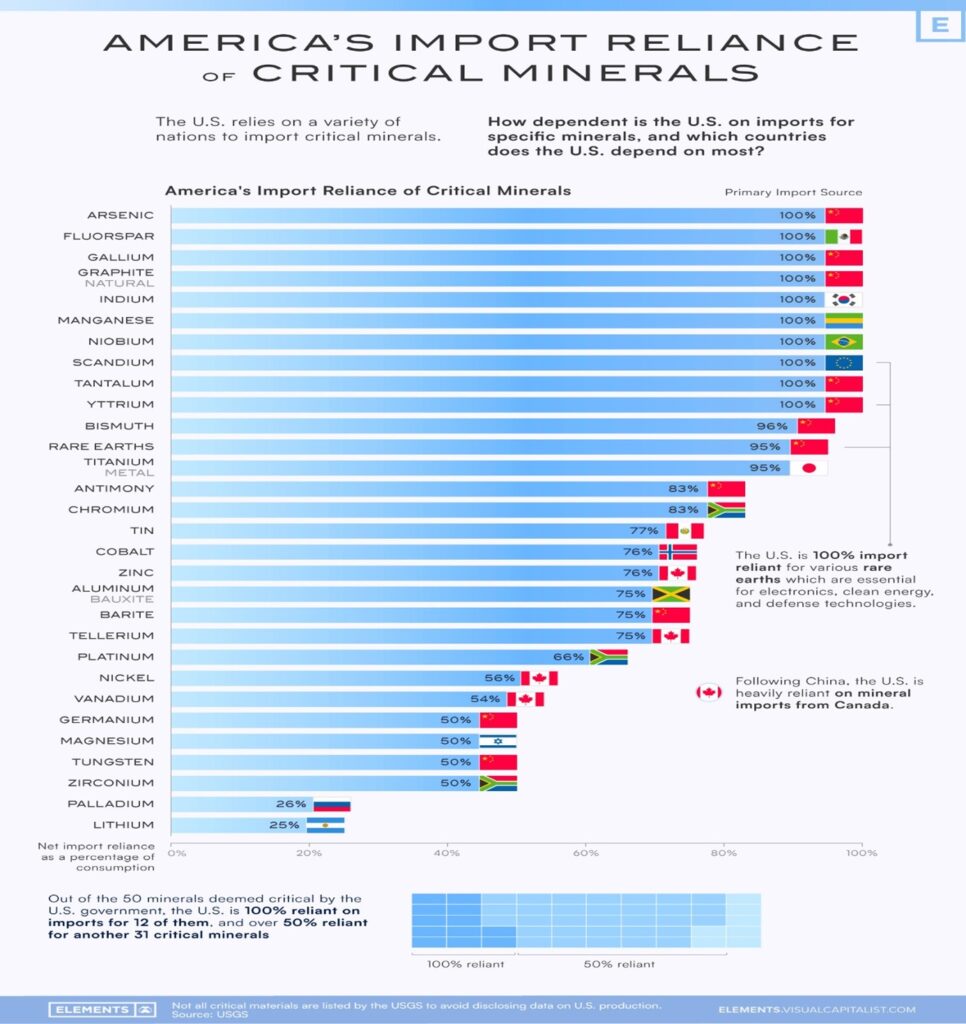
A modern 100-megawatt storage facility requires around 0.5 to 1 hectare of land. How much farmland would be needed for the massive offshore projects involving terawatt-scale wind farms currently being built in the Baltic Sea (for example, in Poland)? How much lithium and other metals – mined in the developing world in ways that are far from environmentally friendly – are required for these large battery energy storage systems (BESS)? Is that sustainable? Really?
I don’t think so. But it is politically correct, because it creates the illusion that we are becoming less dependent on fossil (read: Russian, Putin-controlled) raw materials.