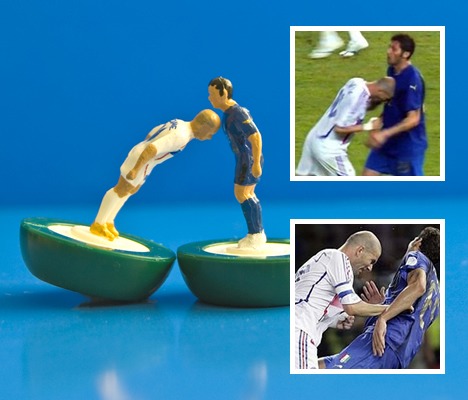
Football (soccer for the Americans) is nothing short of a religion in Italy. In a country where churches are now often empty, support for a football club is often called “faith”. Intellectuals would sometimes complain that Italians care more about the sport than the political situation of the country, going back to the old Roman tradition that the “plebs” care only about “panem et circenses”, bread and games.
For the first time since 1958 however, Italy won’t be taking part in the “games”, giving Italians something to think about. Eliminated by the Swedish national team, Italy won’t join the final phase of the World Cup competition to be held in the summer of 2018 in Russia.
A national tragedy and a significant economic damage: according to an analysis,while the qualification to the final phase grants $1.5 million to the team, in case of reaching at least the quarter finals, those would become 18, escalating in case of semifinal or final. For the Italian federation, income from commercial deals is approximately $43 million, including an $18 million deal with sports clothes brand Puma; the whole sum rises to $70 million a year with television deals. Now that Italy is “out” however, a devaluation of the brand is expected, though hard to quantify. Continue reading
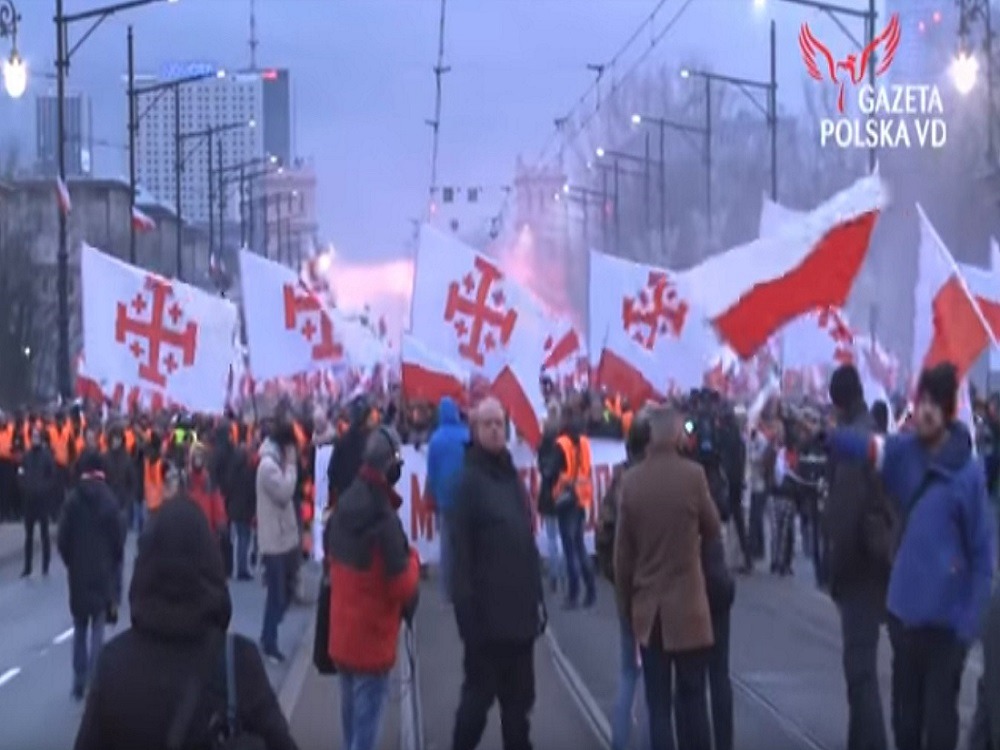
 What has positive overtones in Poland (patriotism, faith, family), has negative ones in Western Europe and the other way round. Migrants, LGTBQ and gender mainstreaming is not welcome in the area between the Oder and Bug Rivers. The EU values cannot be farther from Poland’s values and vice versa. The Independence March denigrated by the Western media was favourably covered by the Polish government and other national media, except for those which are far to the left and very much pro-European. The former shored up the positive aspects of the event, the latter only looked for incidents to blow them out of any proportion and join the chorus of their western counterparts in condemning “fascists” and “white supremacists”.